Fuel System
- Before checking fuel system for a no-start condition, check ignition for adequate spark. Check for proper fuel pump pressure (9-13 psi) and capacity (one pint in 30 seconds). See appropriate BASIC FUEL SYSTEM CHECKS in this article.
- Crank engine and watch for injector spray. If injector spray occurs, go to step 5). If no spray occurs, disconnect injector harness and check for battery voltage at harness. Battery voltage should be present on one of the injector terminals. If battery voltage is not present, check for blown injector power fuse. If battery voltage is present on both terminals, check for wires shorted to one another.
- If battery voltage is present on only one terminal, connect injector test light (also called a "noid" light) to injector harness. Crank engine and note light. If light flashes, check for stored ECM codes. See DIAGNOSTIC CIRCUIT CHECK (GASOLINE) or DIAGNOSTIC CIRCUIT CHECK (DIESEL) in this article. If no codes are present, refer to HARD START symptom in TESTS W/O CODES
article. If light does not flash, momentarily touch test light from battery voltage to ECM RPM reference terminal (circuit No. 430).
- Each time test light is removed from ECM RPM reference terminal, injector test light should flash. If test light does not flash, check for open in RPM reference wire, injector drive (ground) circuit, or replace faulty ECM. Prior to replacing ECM, check ECM power and ground circuits.
- If injector spray occurred while cranking engine, disconnect injector harness and crank engine. If injector spray or leakage occurs, this could cause a no-start condition due to excessive fuel being delivered during cranking. Repair faulty injector or injector seal. If no spray or leakage occurs, refer to HARD START symptom in TESTS W/O CODES
article.
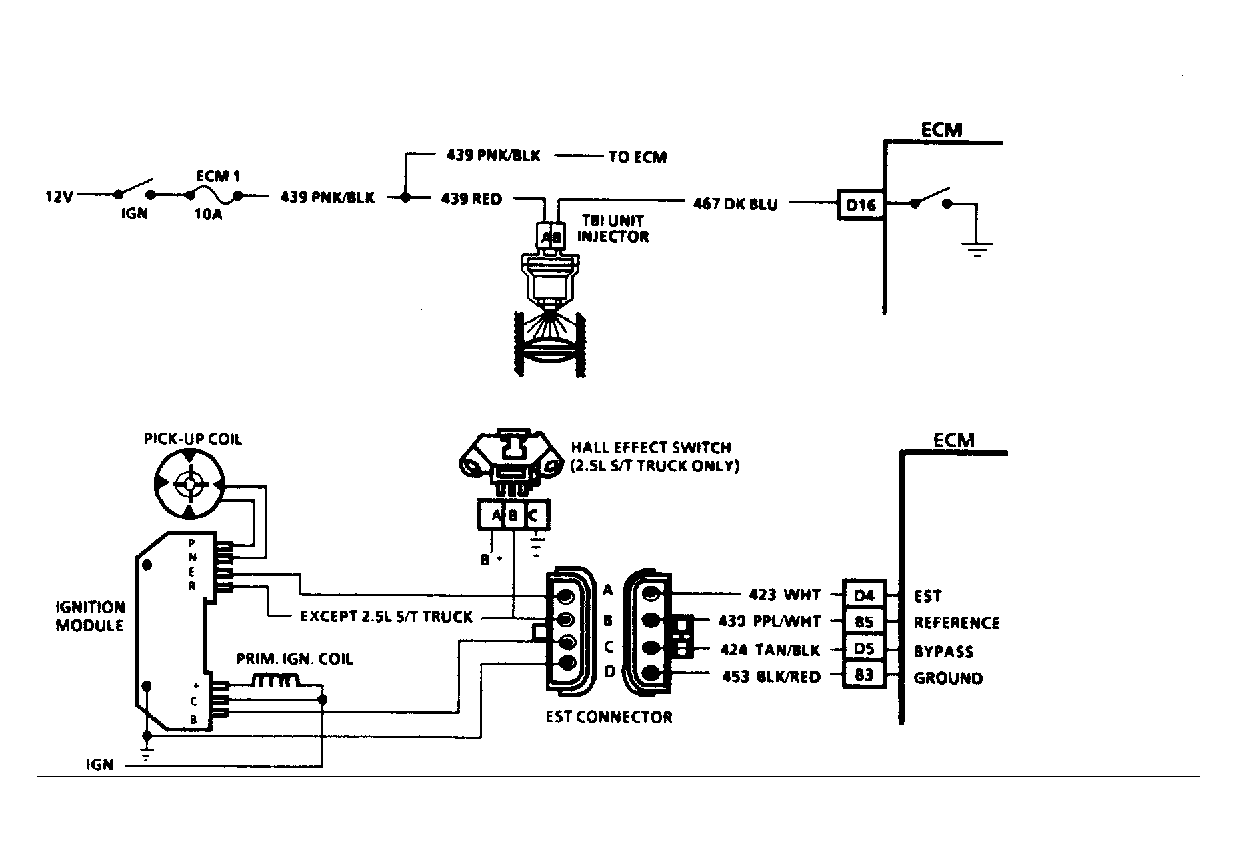 Courtesy of GENERAL MOTORS CORP.
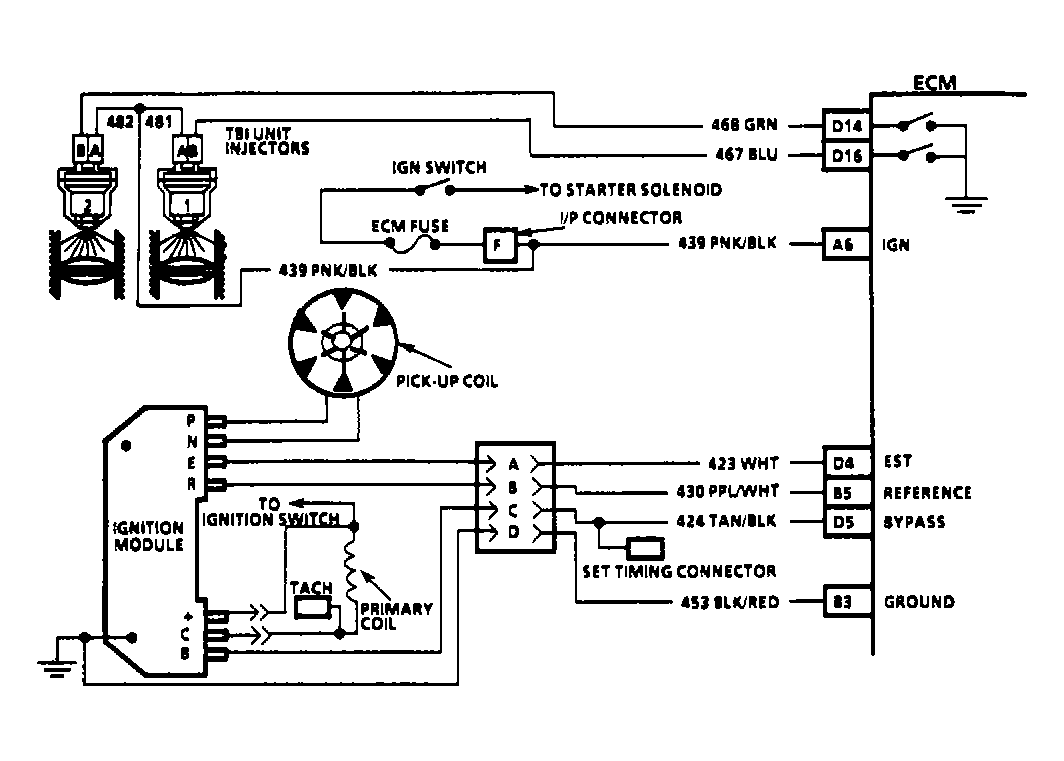 Courtesy of GENERAL MOTORS CORP.
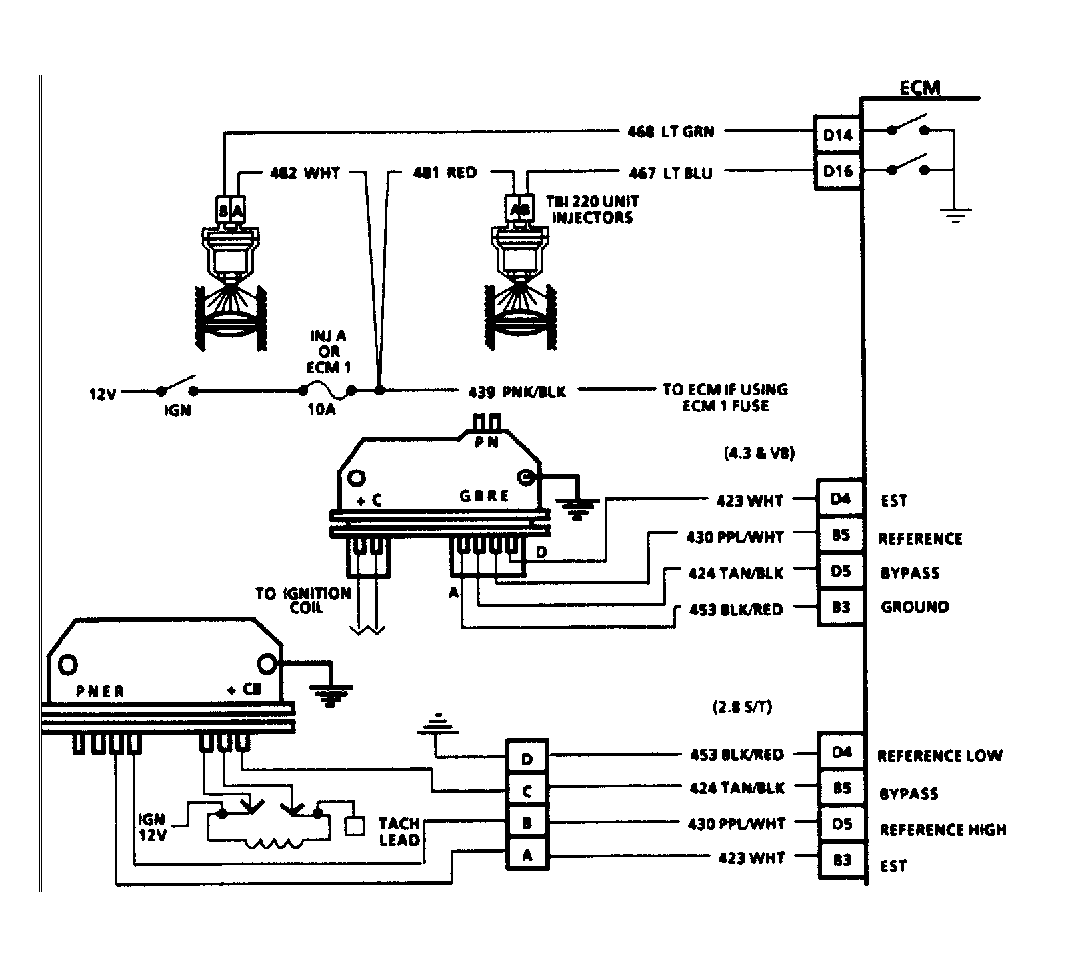 Courtesy of GENERAL MOTORS CORP.