EVAP 2-Way Valve
- Remove fuel tank filler cap. Disconnect vapor hose from fuel tank side of 2-way valve, located above EVAP canister. Install "T" fitting into hose. Connect vacuum gauge (0-4 in. Hg scale) and hand vacuum pump to "T" fitting. See STEP 1 in illustration. See Fig 1-Fig 4
.
- Apply vacuum slowly and continuously while observing vacuum gauge. Vacuum should stabilize momentarily at 0.2-0.6 in. Hg. If vacuum is as specified, go to next step. If vacuum stabilizes at less then 0.2 in. Hg or more then 0.6 in. Hg, replace 2-way valve. Retest system.
- Move vacuum pump hose from vacuum fitting to pressure fitting. Move vacuum gauge hose from vacuum side to pressure side. See STEP 2 in illustration. See Fig 1-Fig 4
. Slowly pressurize vapor line while observing gauge. If pressure momentarily stabilizes at 0.3 in. Hg, valve is okay. If pressure stabilizes at less than 0.3 in. Hg, replace valve and retest.
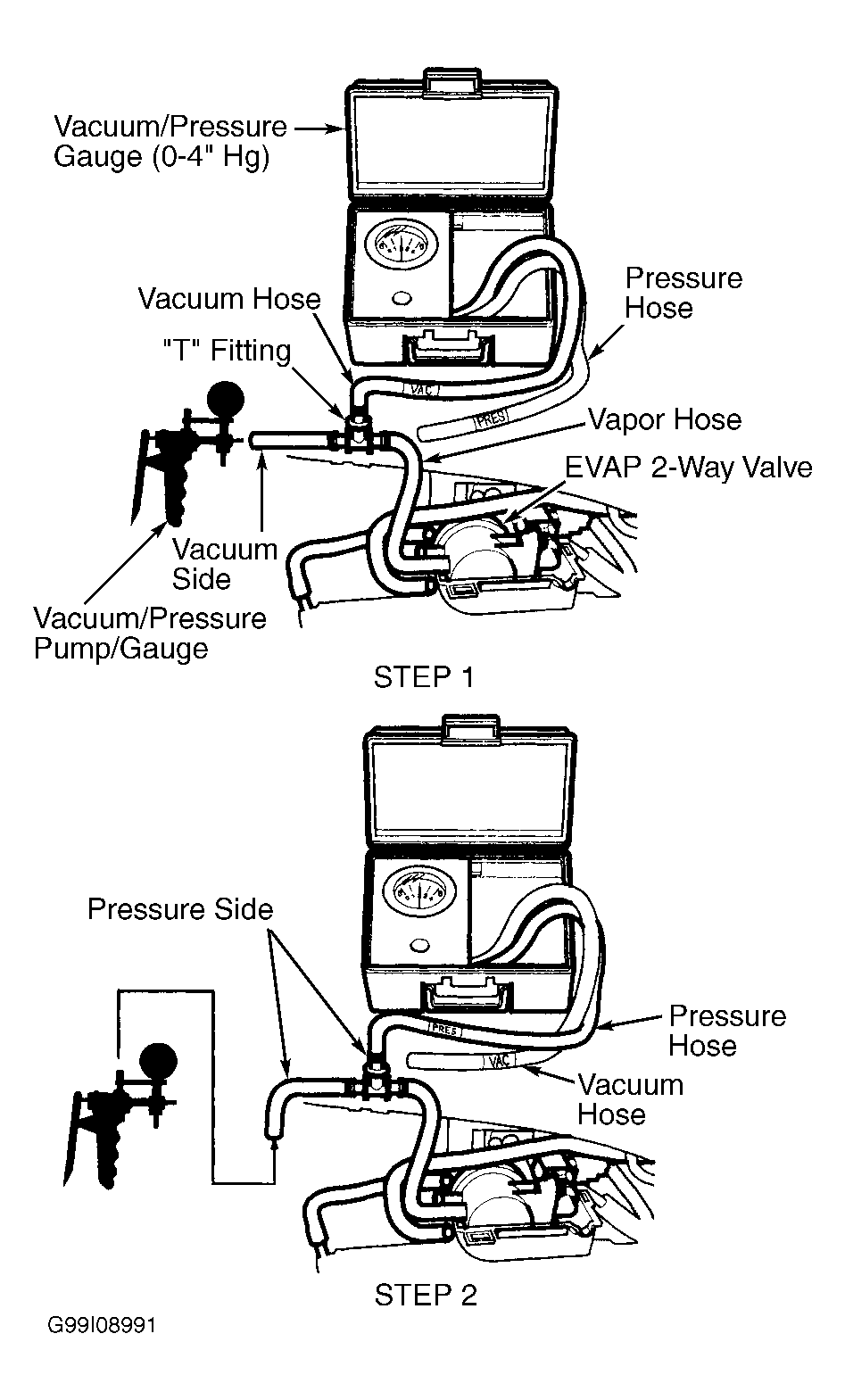 Courtesy of AMERICAN HONDA MOTOR CO., INC.
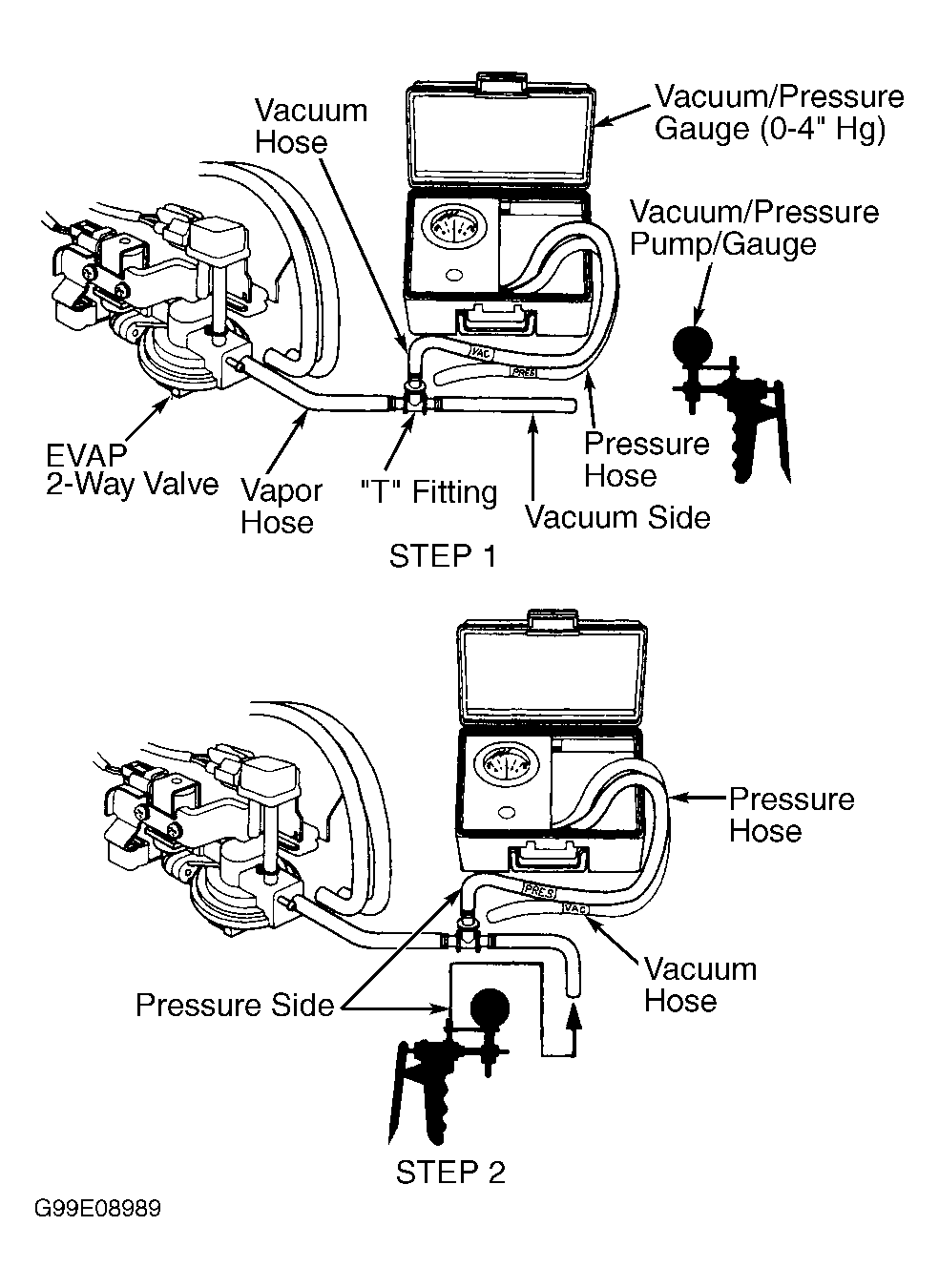 Courtesy of AMERICAN HONDA MOTOR CO., INC.
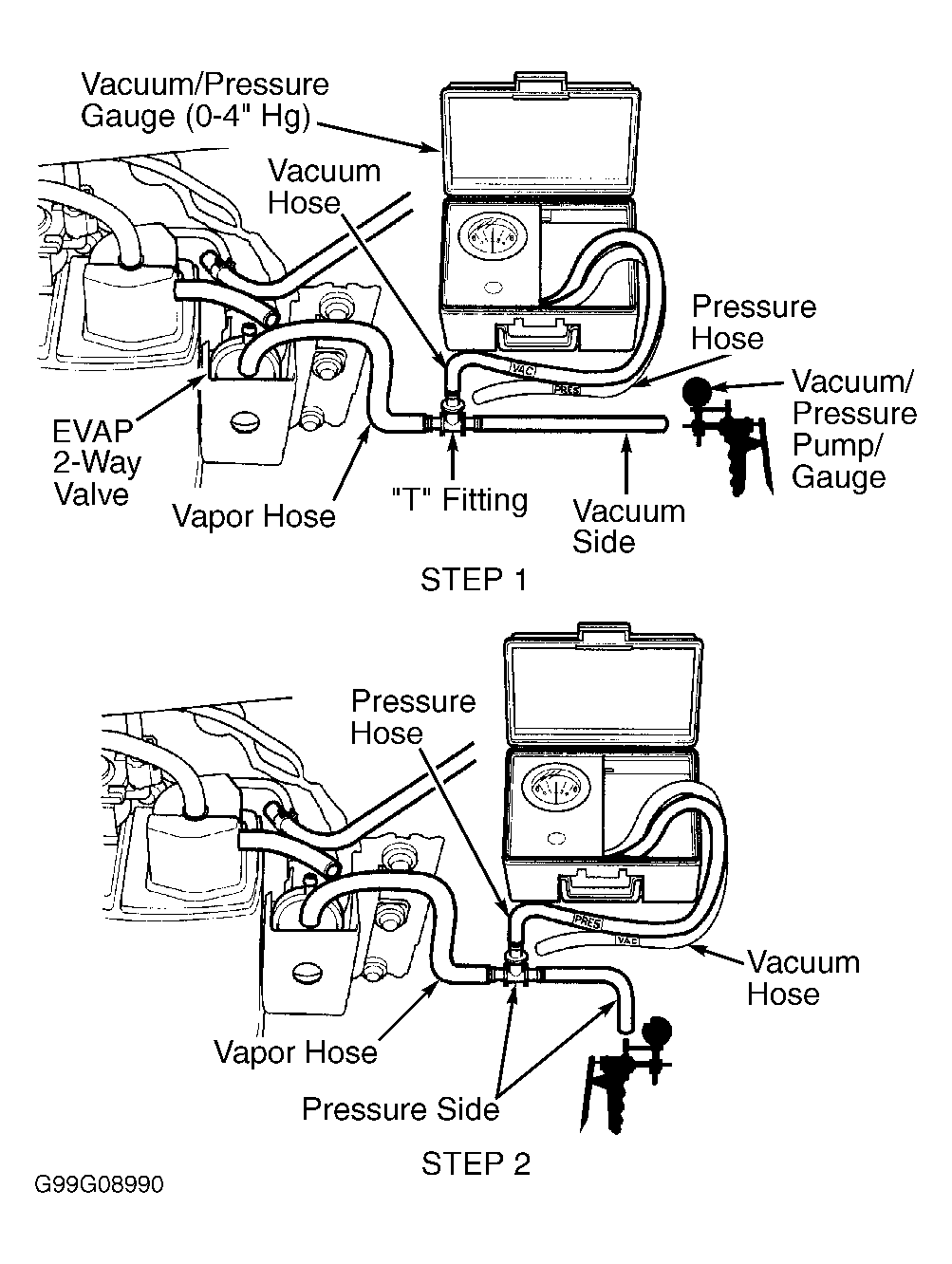 Courtesy of AMERICAN HONDA MOTOR CO., INC.
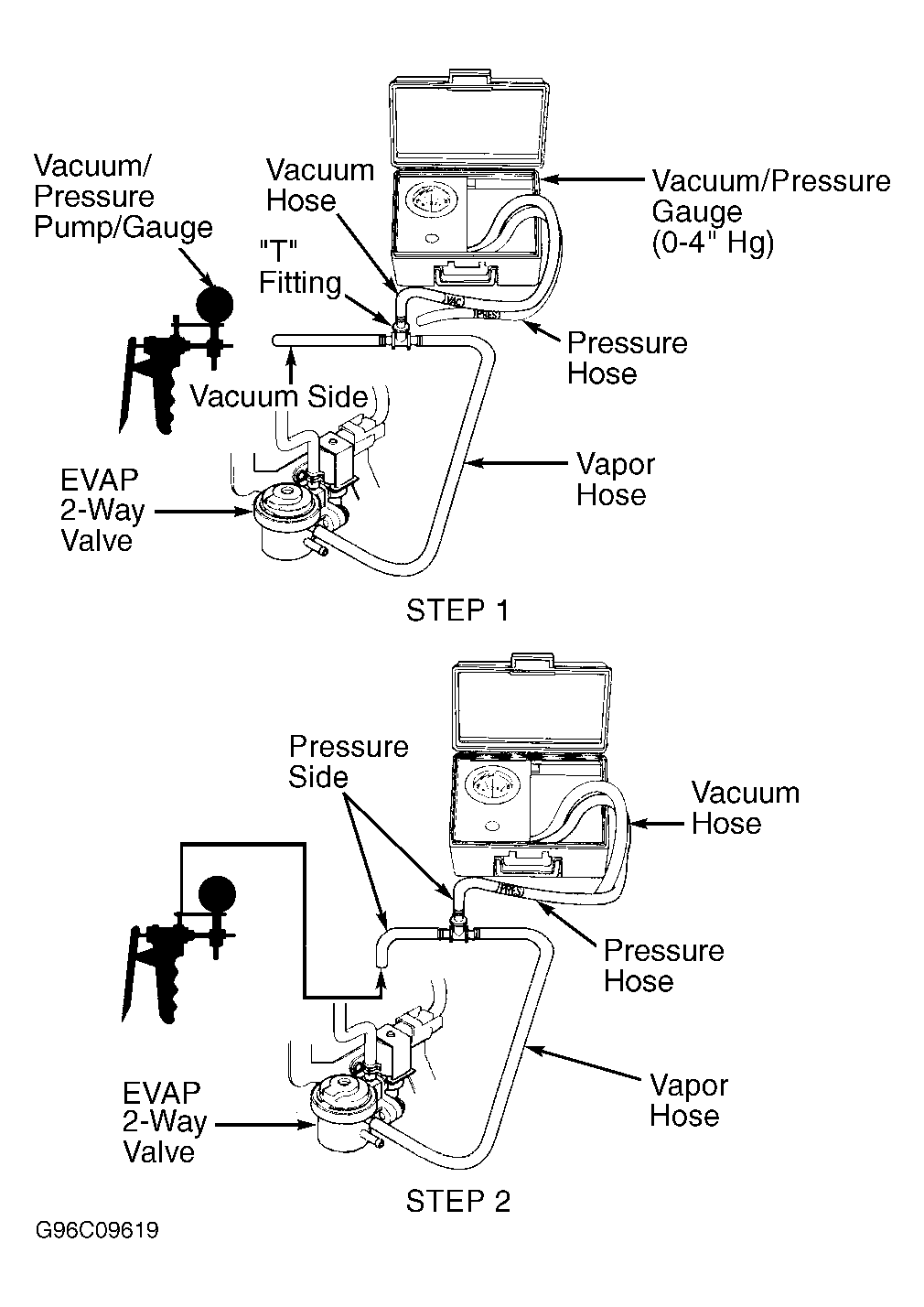 Courtesy of AMERICAN HONDA MOTOR CO., INC.