Ride Height Adjustment
- Drive the vehicle onto a runway lift.
- Jounce the vehicle's front and rear suspension to normalize the vehicle static ride height.
- Measure the distance between the front suspension lower arm bushing center bolt and the runway lift. Record measurement.
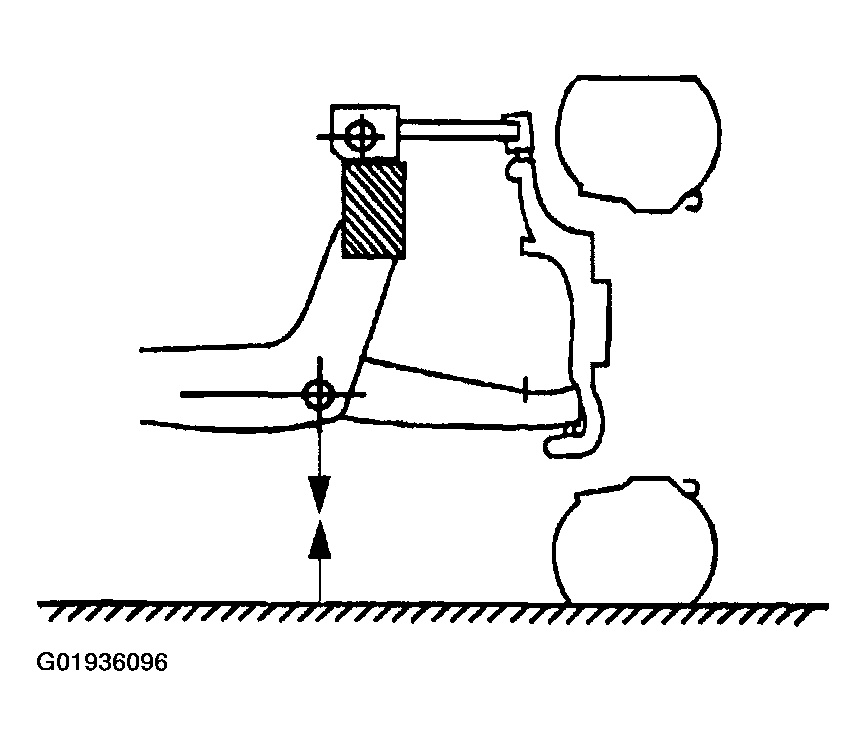 Courtesy of MAZDA MOTORS CORP.
- Measure the distance between the front suspension lower arm (lowest point) and the runway lift. Record the measurement.
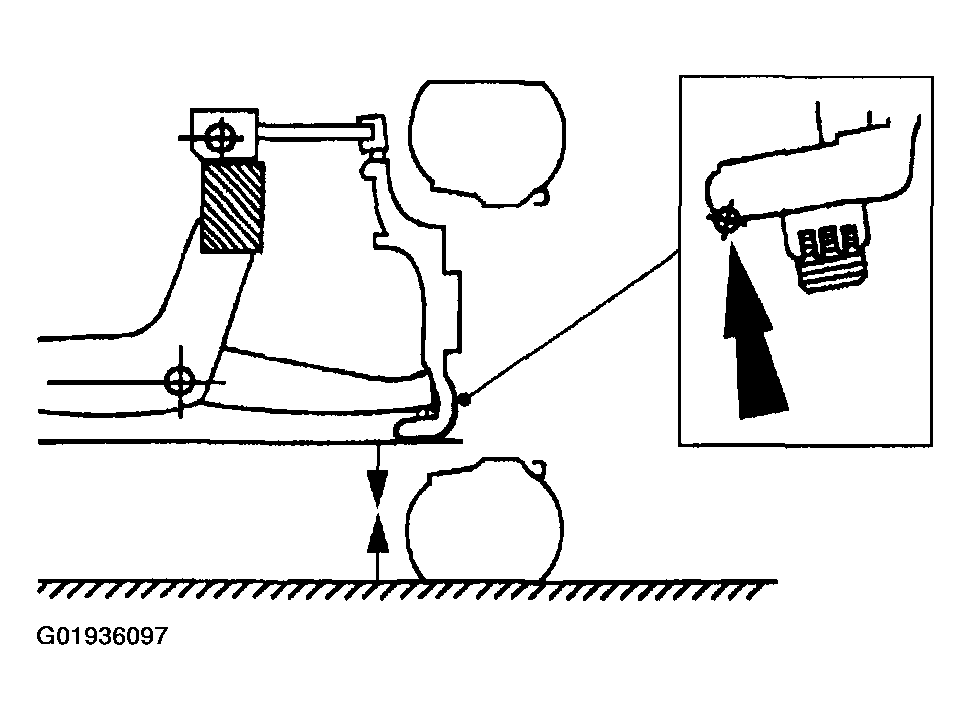 Courtesy of MAZDA MOTORS CORP.
- Determine ride height.
- Subtract measurement 1 from measurement 2. This is the ride height.
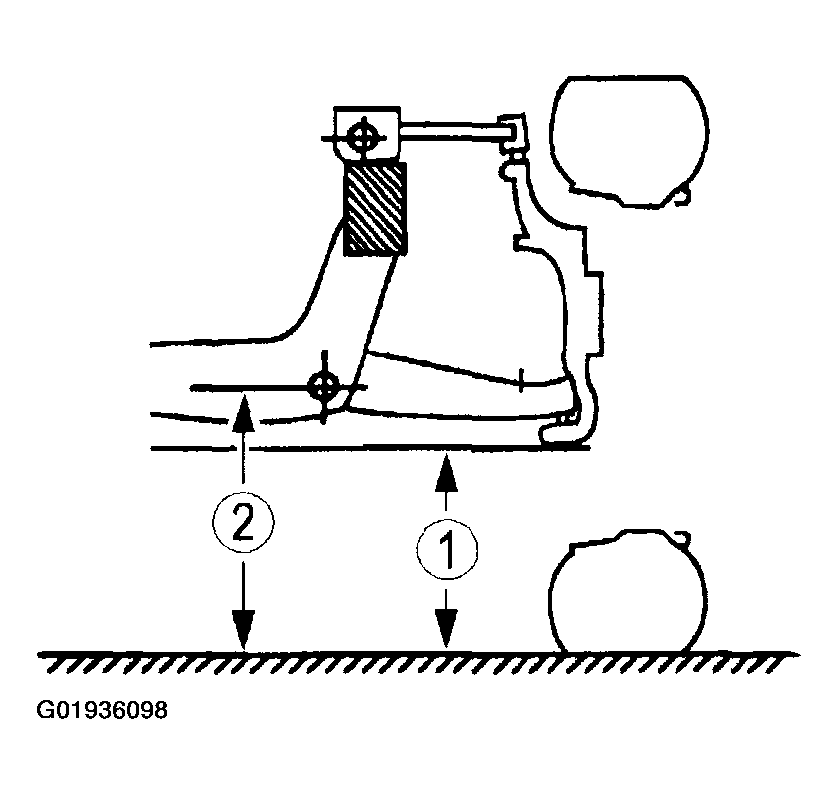 Courtesy of MAZDA MOTORS CORP.
NOTE:
- The torsion bar adjusting bolt is coated with Loc-tite(R) that wears off after disassembly. If the torsion bar system is ever disassembled or the torsion bar adjusting bolt is ever removed, use a new torsion bar adjusting bolt when re-assembling.
- Adjust the torsion bars (height) as necessary by tightening or loosening the torsion bar adjusting bolt.
- Tighten the torsion bar adjusting bolt to increase the torque or raise the height.
- Loosen the torsion bar adjusting bolt to decrease the torque or lower the height.
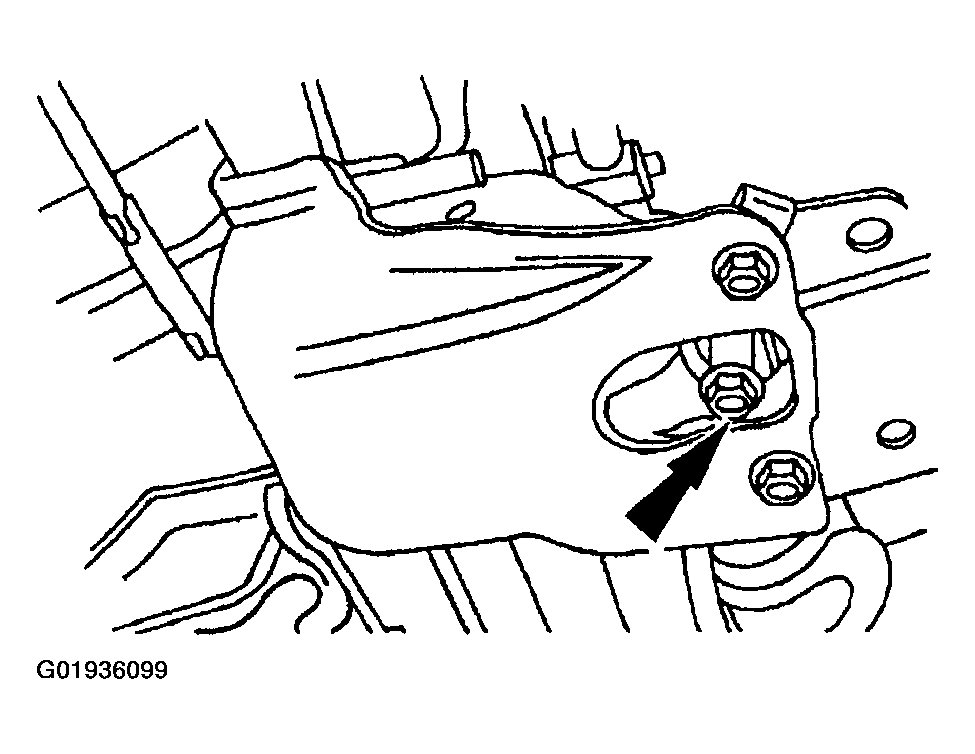 Courtesy of MAZDA MOTORS CORP.