Reverse Clutch: Disassembly
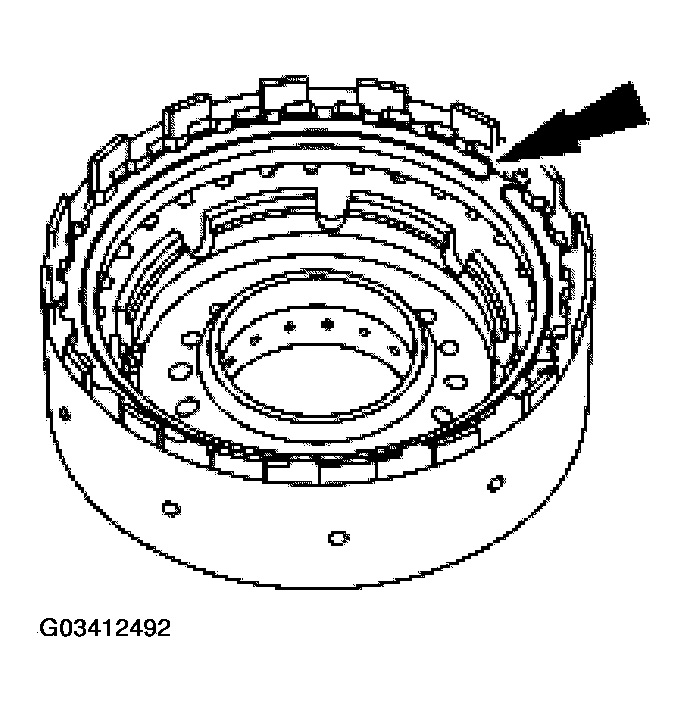
- Remove the reverse clutch snap ring.
 Courtesy of FORD MOTOR CO.
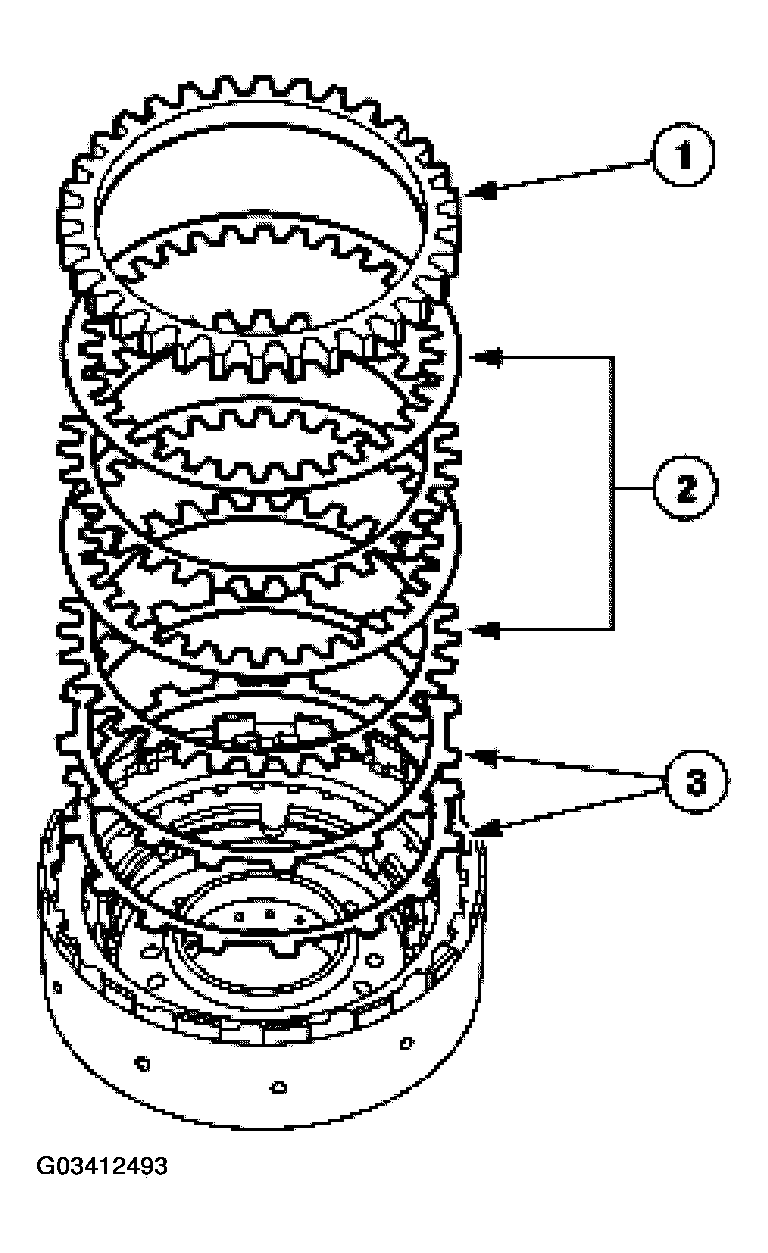
- Remove the reverse clutch pack assembly.
- Remove the reverse clutch pressure plate.
- Remove the clutch pack.
- Remove the reverse clutch dish plates.
 Courtesy of FORD MOTOR CO.
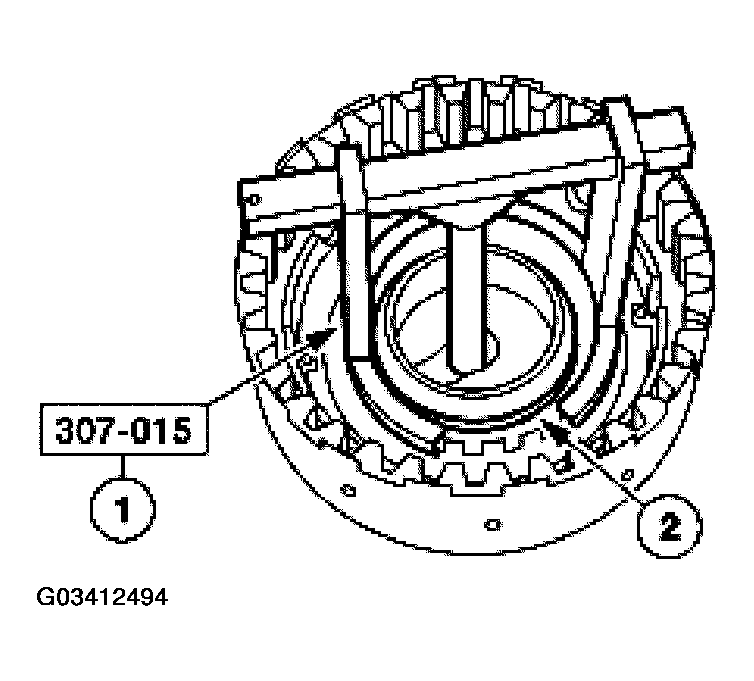
- Remove the reverse clutch snap ring.
- Using the special tool, compress the reverse clutch drum spring.
- Remove the snap ring.
 Courtesy of FORD MOTOR CO.
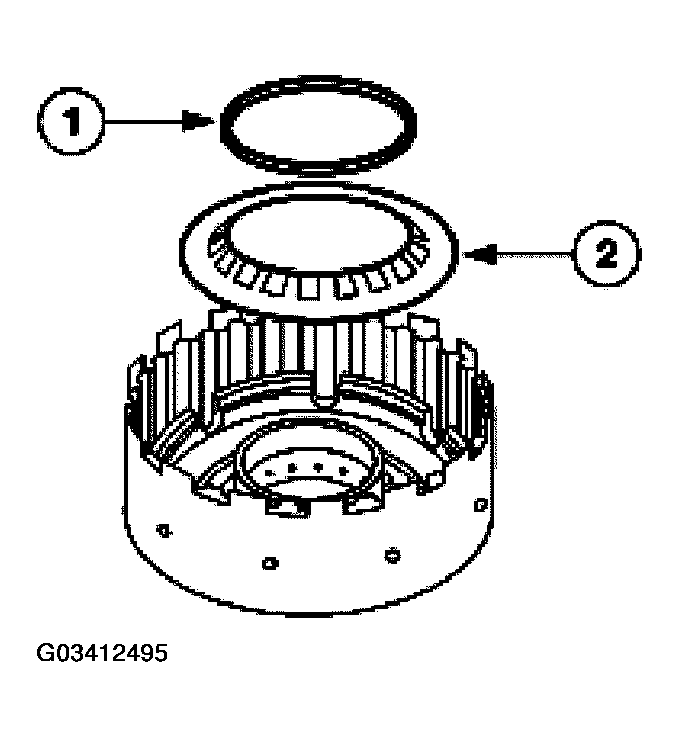
- Remove the reverse clutch spring.
- Remove the reverse clutch spring retainer.
- Remove the reverse clutch spring.
 Courtesy of FORD MOTOR CO.
- Remove the reverse clutch piston.
- Position the reverse clutch drum on the oil pump.
- Apply compressed air to the fluid passage.
- Remove the piston.
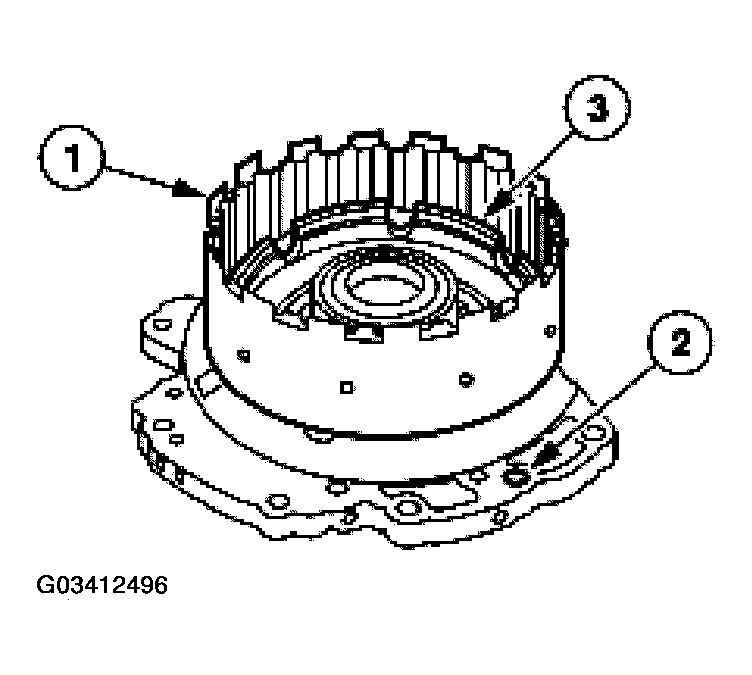 Courtesy of FORD MOTOR CO.
- Apply compressed air to the check ball openings on the return spring side of the reverse clutch piston. Air should pass through the openings.
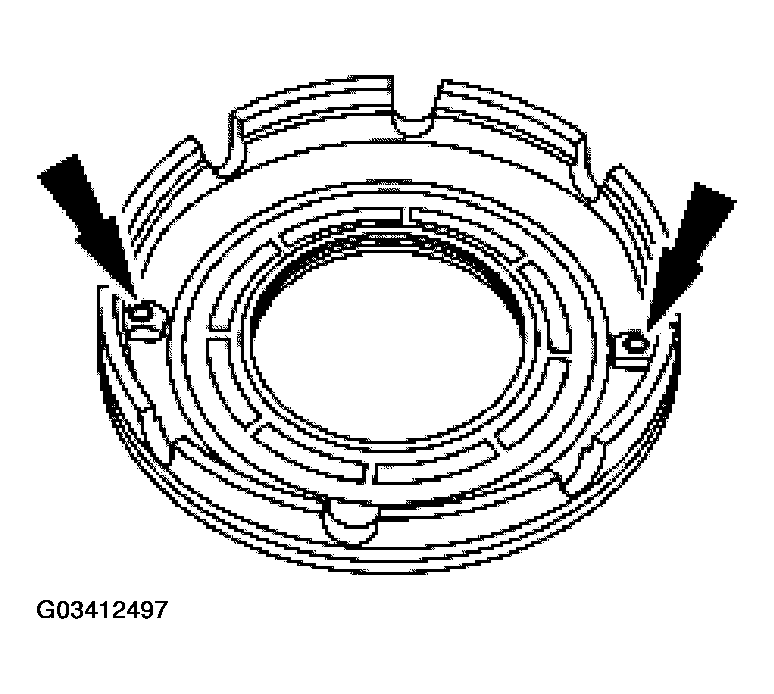 Courtesy of FORD MOTOR CO.
- Apply compressed air to the check ball openings on the side opposite the return spring on the reverse clutch piston. No air should pass through the openings.
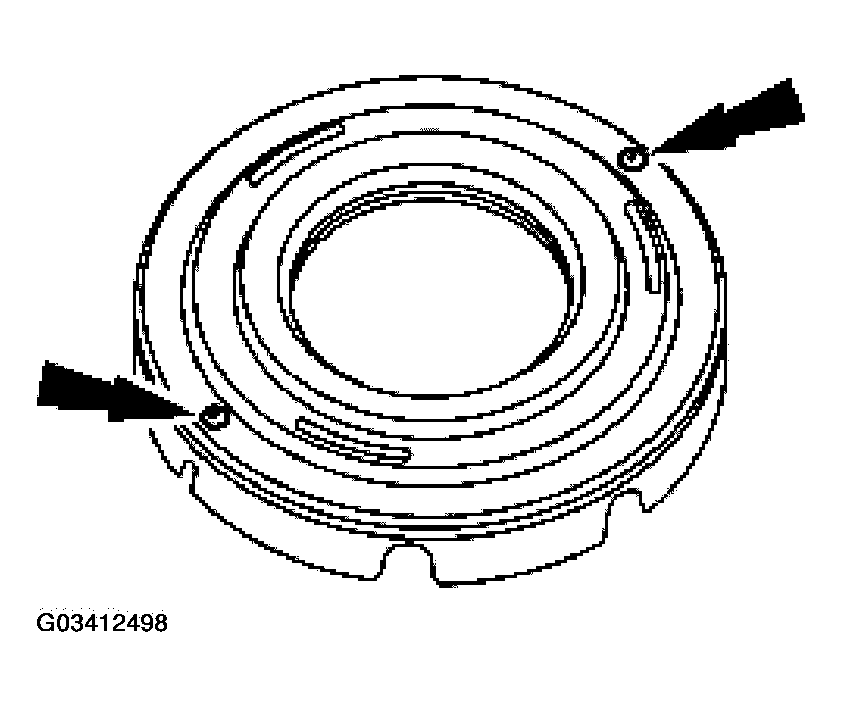 Courtesy of FORD MOTOR CO.
- Remove the reverse clutch piston seals.
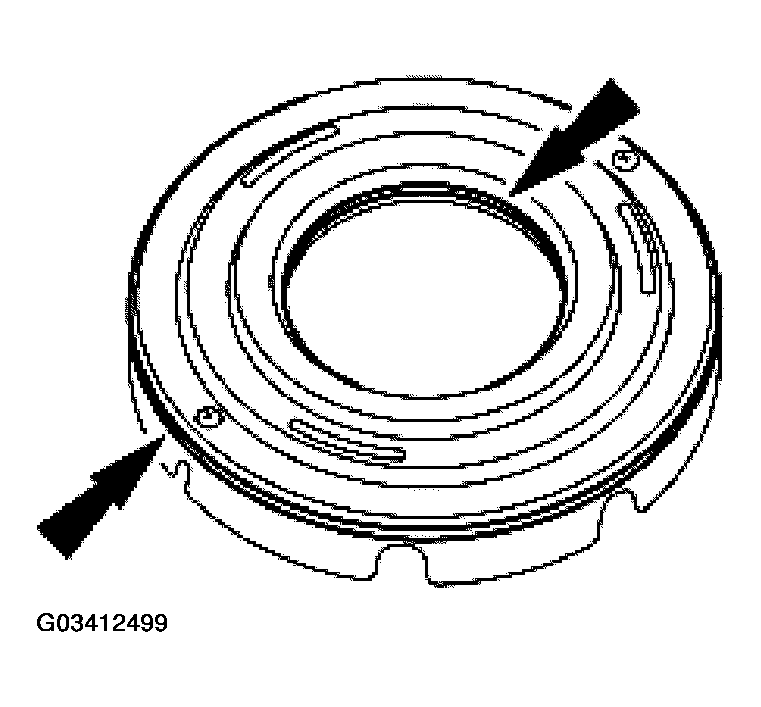 Courtesy of FORD MOTOR CO.
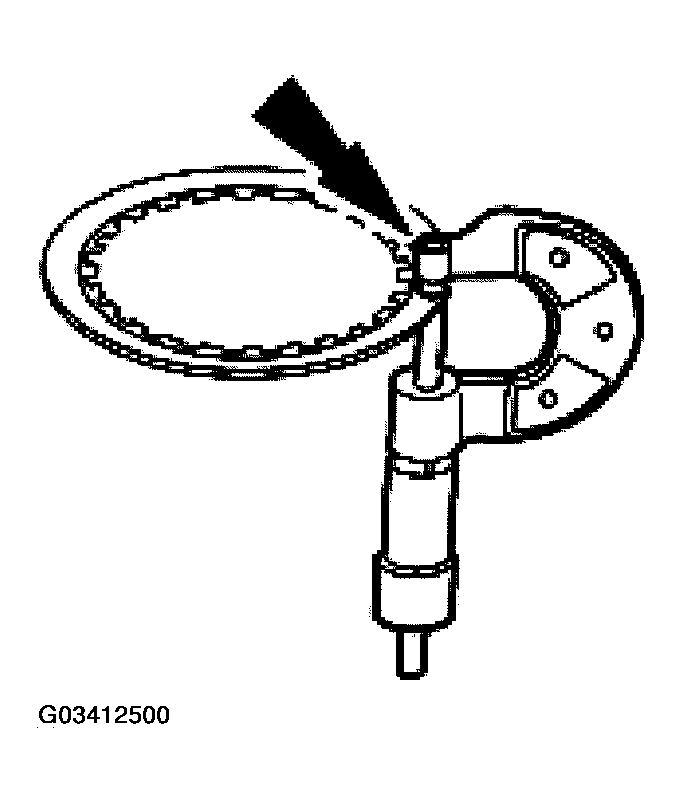
- Measure the reverse clutch plate facings. The standard thickness is 1.6 mm (0.063 in). If the facing is less than 1.4 mm (0.055 in), replace all of the reverse clutch plate facings.
 Courtesy of FORD MOTOR CO.
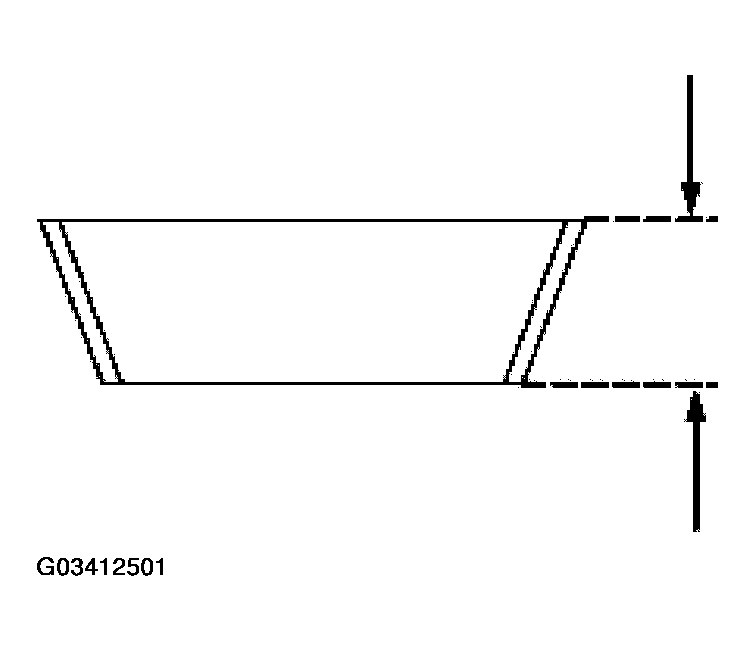
- Measure the thickness of the reverse clutch dish plates. The plates should measure 3.08 mm (0.121 in). If the plates are out of specification, install a new reverse clutch dish plates.
 Courtesy of FORD MOTOR CO.