Fuel Pressure Test (Swift)
- Release fuel system pressure. See FUEL SYSTEM PRESSURE RELEASE
. On SOHC, remove air cleaner from throttle body. Disconnect fuel hose from throttle body. On DOHC, remove ISC solenoid valve and EGR modulator bracket (if equipped). See Figure
and Figure
.
- On all models, install fuel pressure gauge and 3-way connector between fuel feed hose and fuel return hose. See Fig 1
and Fig 2
. On SOHC, install air cleaner. On all models, verify battery voltage is at least 11 volts.
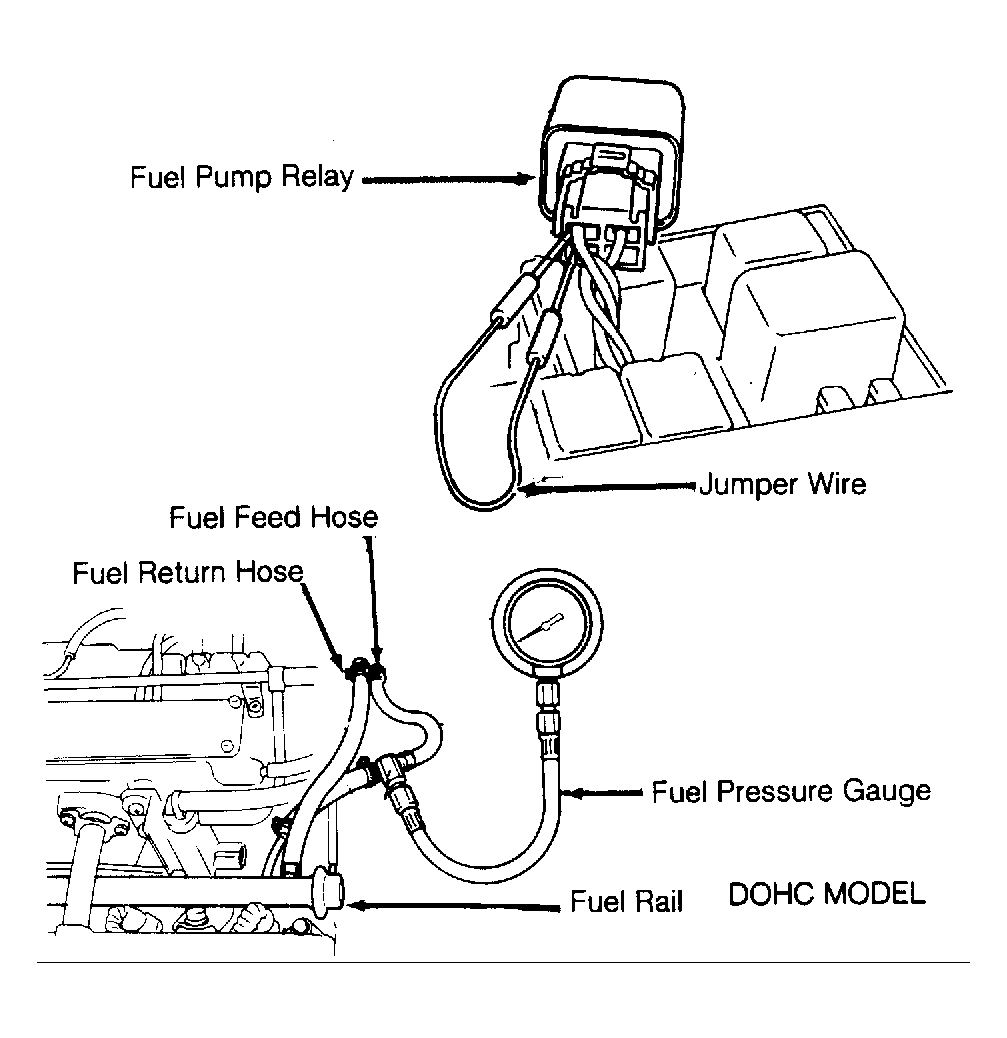 Courtesy of SUZUKI OF AMERICA CORP.
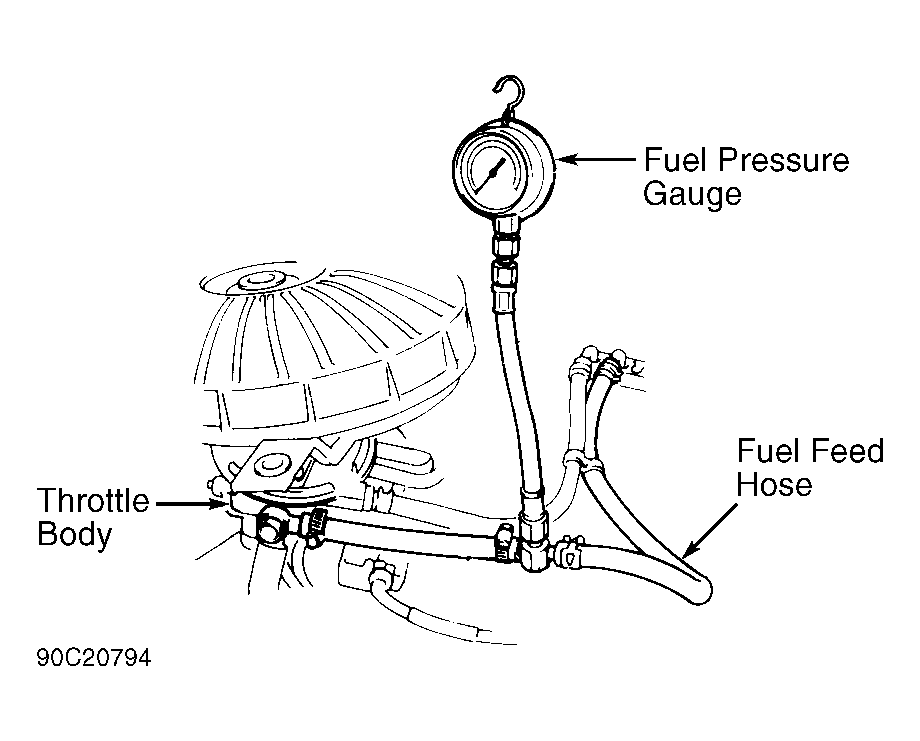 Courtesy of SUZUKI OF AMERICA CORP.
- Remove fuel pump relay from fuse/relay box with harness connector installed. Fuse relay box is located in engine compartment, behind battery. Using jumper wire, connect Pink wire terminal to White/Blue wire terminal.
- Turn ignition on. Observe and record fuel pressure. See FUEL PUMP PERFORMANCE
table. Turn ignition off. Recheck pressure after one minute. Remove jumper wire. Install IAC valve on DOHC models. On all models, start engine and warm it to normal operating temperature. Note fuel pressure with engine idling.
- If pressure is not within specification, check for defective fuel pump, pressure regulator or restriction in fuel system. Repair as required. Release fuel pressure, and remove fuel pressure gauge. Reconnect fuel hoses, and check for leaks.
FUEL PUMP PERFORMANCE
| Application |
@ Idle: psi (kg/cm2
) |
Engine Off: psi (kg/cm2
) |
| Samurai |
24.2-30.0 (1.7-2.1) |
34.1-39.8 (2.4-2.8) |
| Sidekick |
29.8-37.0 (2.1-2.6) |
35.6-42.7 (2.5-3.0) |
| Swift |
| DOHC |
25.6-30.0 (1.8-2.1) |
35.5-38.4 (2.5-2.7) |
| SOHC |
12.8-20.0 (0.9-1.4) |
22.7-30.0 (1.6-2.1) |