- Remove cover over throttle body. Remove aluminum plate from over turbocharger. Remove fuel rail cover. Remove cap from fuel rail schrader valve. See Fig 1.
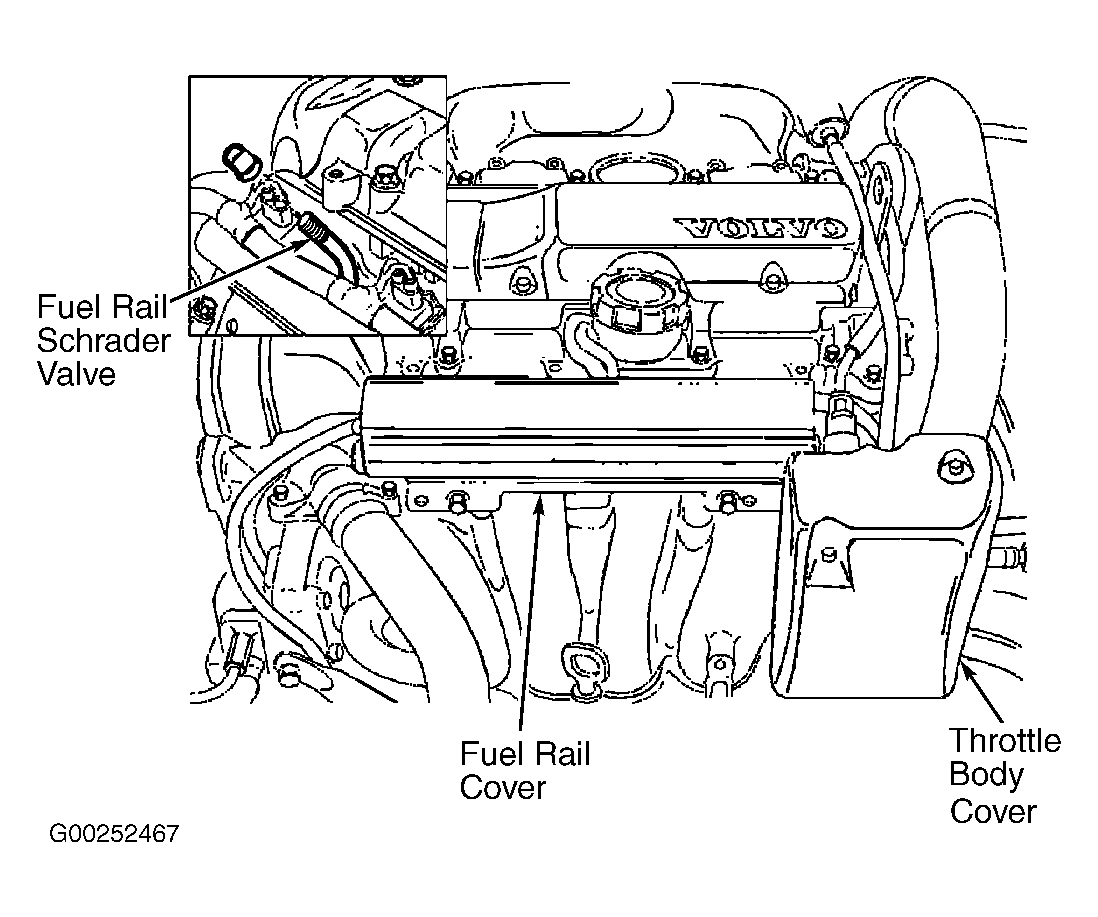 Courtesy of VOLVO CARS OF NORTH AMERICA.
- Disconnect vacuum hose from fuel pressure regulator and intake pipe. See Fig 2. Ensure hose is in good condition and not blocked. If any fuel is present in regulator vacuum hose, replace regulator. Clean vacuum hose connection on intake pipe.
- Connect Pressure Gauge (999-5011) to Adapter (998-9725). Connect Adapter to Extension (999-5479). Connect assembly to fuel rail schrader valve and lock fitting. Connect a drain hose to Adapter and place in a clean container. Hang pressure gauge vertically. See Fig 3.
NOTE:
If Pressure Gauge (999-5011) to Adapter (998-9725) are not available, use standard fuel pressure gauge may be used to check pressure.Ensure gauge is positioned so that face is visible inside vehicle.
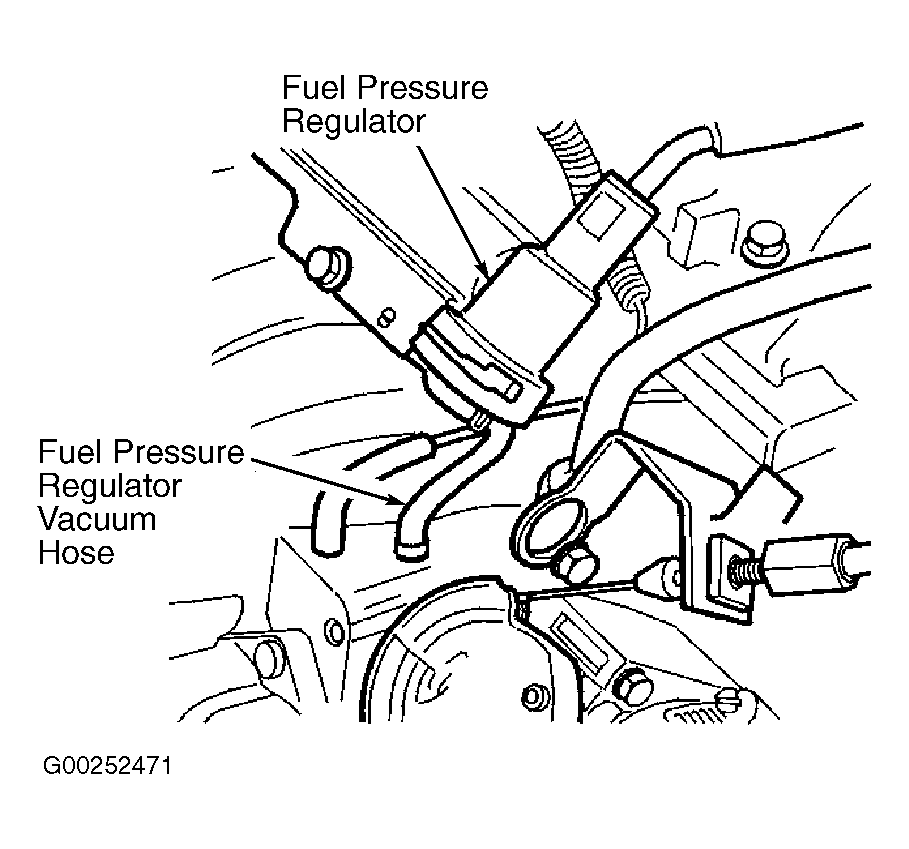 Courtesy of VOLVO CARS OF NORTH AMERICA.
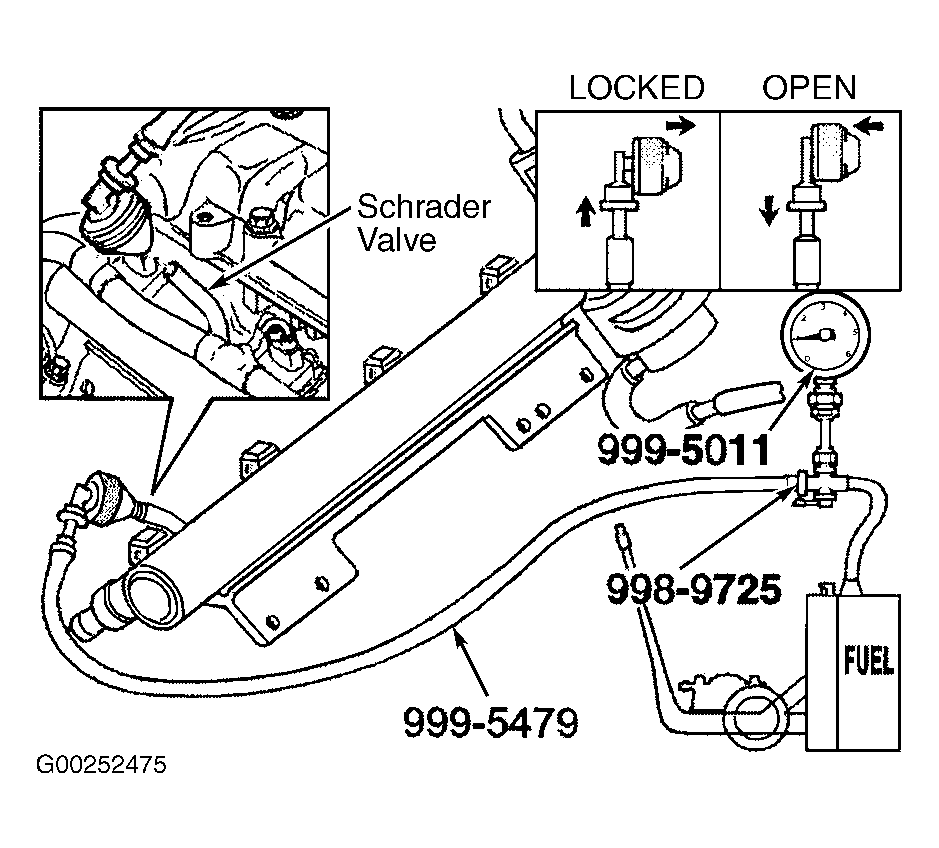 Courtesy of VOLVO CARS OF NORTH AMERICA.
- Disconnect vacuum hose from fuel pressure regulator. Start engine. Fuel pressure should rise to approximately 45 psi (300 kPa) immediately. If pressure is correct, go to next step. If not, go to step 8.
- Connect Vacuum Pump (999-5757) to pressure regulator. Create vacuum. Fuel pressure should drop, but not below approximately 35 psi (240 kPa). Release vacuum. Pressure should rise to 49 psi (309 kPa) immediately. Create pressure with pump. Fuel pressure should rise. DO NOT raise fuel pressure above 55 psi (380 kPa). Release pressure. Fuel pressure should return to 49 psi (309 kPa) immediately. If pressure regulator functions properly, go to next step. If not functioning properly, replace regulator. See FUEL PRESSURE REGULATOR
in REMOVAL & INSTALLATION - S40 & V40 article. Repeat procedure. If regulator now functions properly go to next step.
- Check residual fuel pressure. Starting pressure is approximately 49 psi (309 kPa). Switch off engine and monitor fuel pressure for 20 minutes. Pressure must not drop below 29 psi (200 kPa). If pressure drops too much, inspect fuel system for leakage. Repair and repeat residual pressure test.
- Remove pressure testing equipment when test is complete. Install cap on fuel rail schrader valve. Start engine and ensure proper function. Install throttle body cover.
- Raise and support vehicle. Remove splash guard from fuel line. See Fig 4.
NOTE:
Do not hang fuel filter by fuel line.
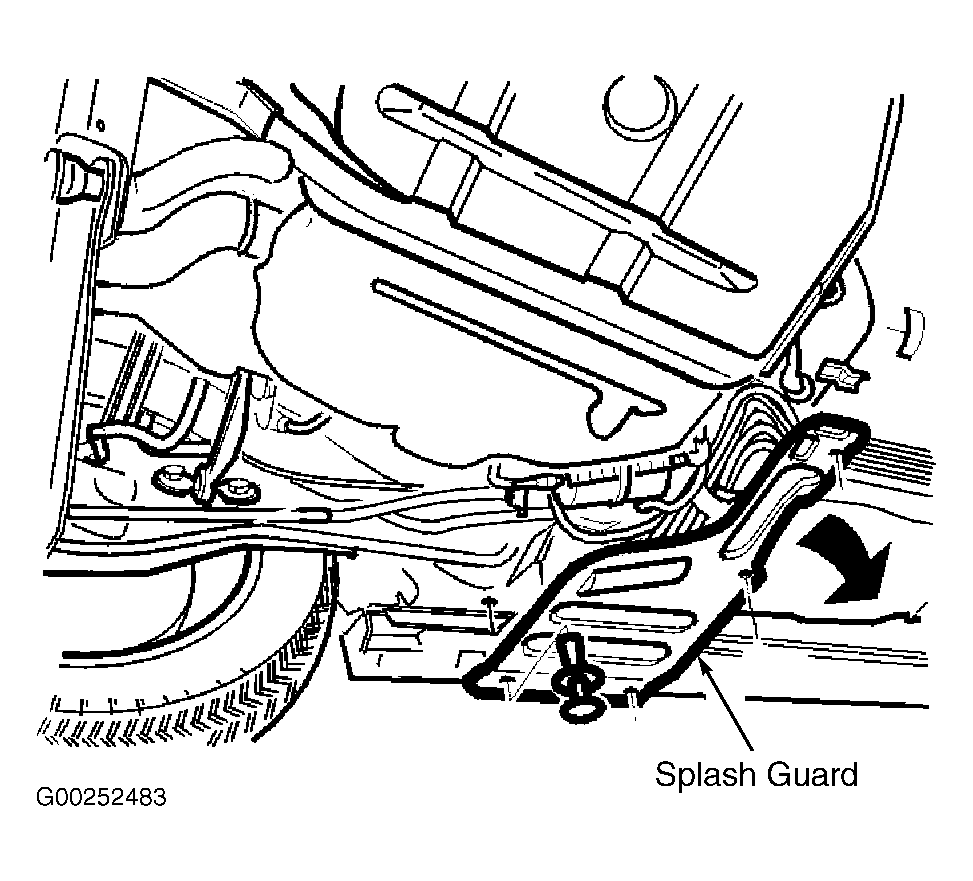 Courtesy of VOLVO CARS OF NORTH AMERICA.
- Loosen fuel filter clamp. Move filter downward and remove cap on schrader valve. Attach fuel gauge and pressure testing equipment to valve. Lower vehicle and hang gauge vertically. See Fig 5.
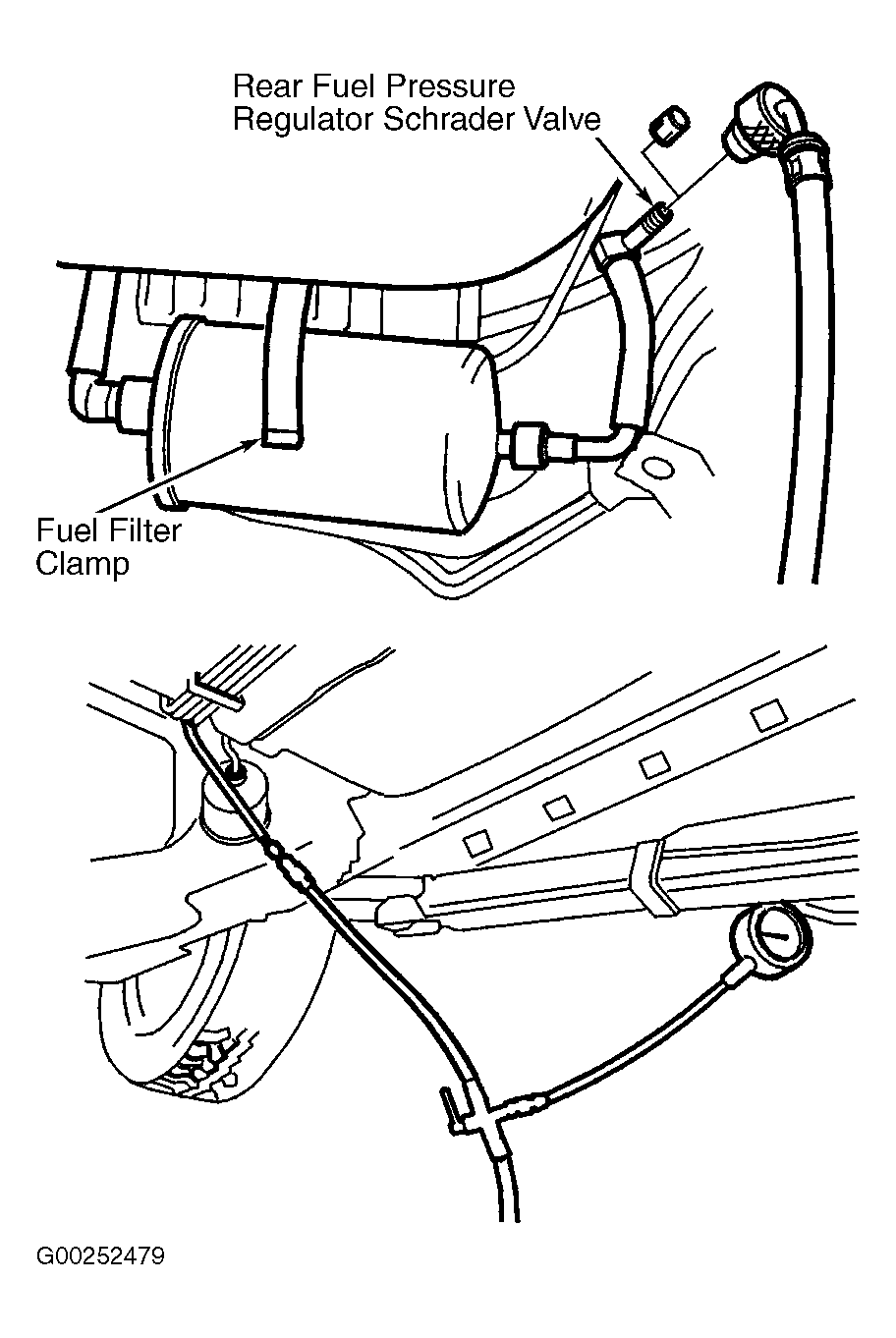 Courtesy of VOLVO CARS OF NORTH AMERICA.
NOTE:
Fuel pump relay is integrated into system relay. Rear fuel pressure regulator is integrated into fuel pump.
- Access relay box in engine compartment behind driver-side strut tower. Remove relay 2/14 (System Relay). Bridge terminals 30 and 87 of relay socket. This starts fuel pump. See Fig 6. Fuel pressure must rise to approximately 62 psi (430 kPa) immediately. If pressure is incorrect replace fuel pump. See FUEL PUMP
in REMOVAL & INSTALLATION - S40 & V40 article. Go to next step.
- If pressure is correct at rear regulator, but pressure reached correct value slowly at engine regulator check fuel line for pinching or damage. Repair as necessary. If fuel line is OK, replace fuel filter. Go to next step.
- If pressure is correct at regulator but incorrect at engine regulator, replace engine pressure regulator. See FUEL PRESSURE REGULATOR
in REMOVAL & INSTALLATION - S40 & V40 article.
- Remove pressure testing equipment when test is complete. Install cap on fuel rail schrader valve. Start engine and ensure proper function. Install throttle body cover.