Ignition Timing: CARBURETED: Prelude
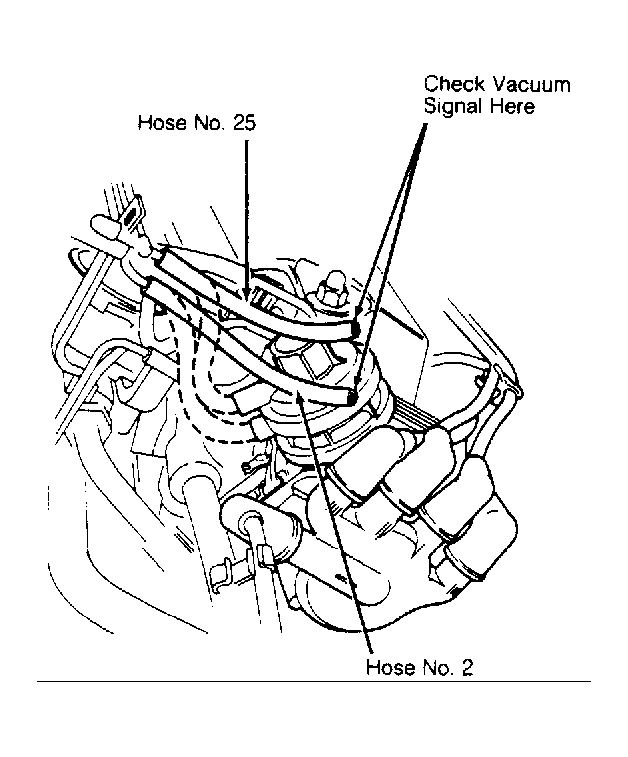
- Disconnect and check vacuum signal to vacuum advance hoses at vacuum advance unit. With engine running and coolant temperature less than 140°F (60°C), check for vacuum at each hose. Vacuum should be present at hoses No. 2 and No. 25. See Fig 1
.
- If hose No. 2 has no vacuum, check hose for leaks or other damage. If hose No. 25 has no vacuum, check thermovalve for blockage and hose for leaks or other damage. If there is no blockage and hoses are okay, replace thermovalve.
- Reconnect vacuum hoses to vacuum advance unit. Allow engine to reach operating temperature (cooling fan comes on). Disconnect vacuum hose No. 25 from vacuum advance unit. See Fig 1
. Check vacuum signal. No vacuum should be present. If vacuum is present, replace thermovalve and retest.
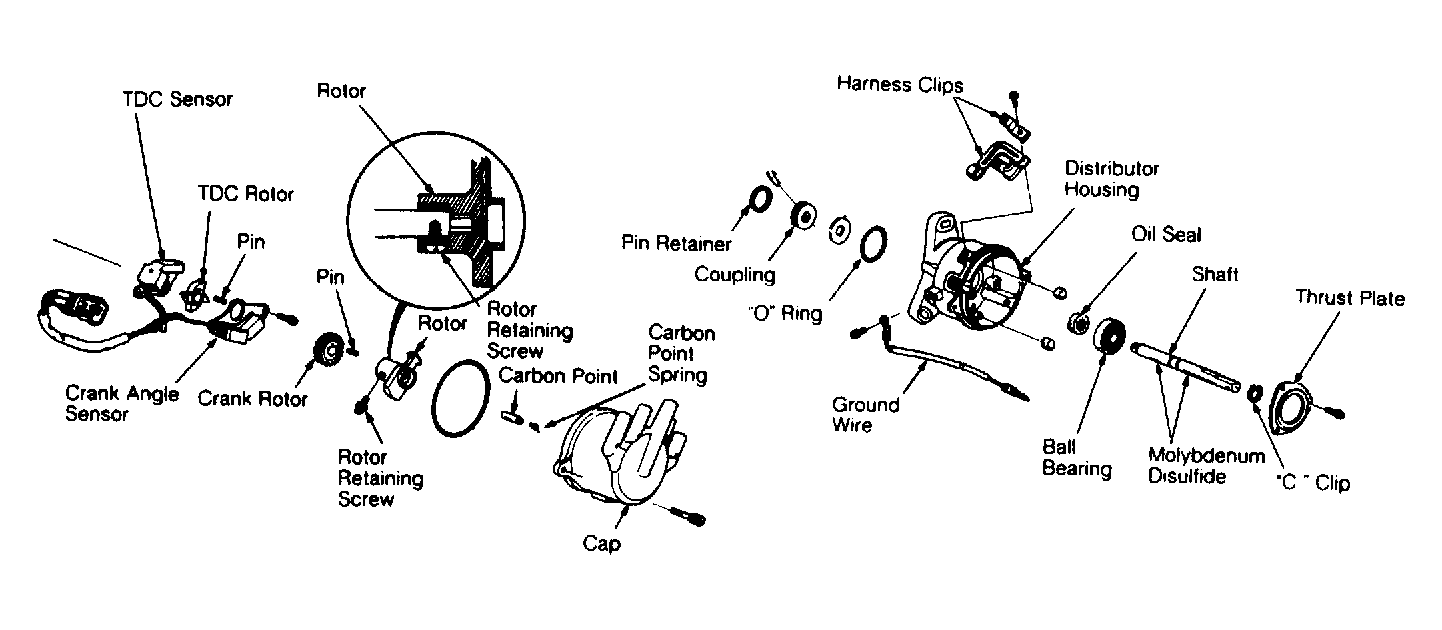
- To view timing marks, remove rubber cap from inspection window on cylinder block. Connect timing light with timing advance capability. See Fig 2
. Disconnect and plug vacuum hoses at vacuum advance unit.
- With engine at idle, turn advance control knob of advance tester until White timing mark aligns with pointer. Read base ignition timing shown on timing advance meter. Timing should be as specified in IGNITION TIMING
table.
- Rotate distributor to adjust timing. Tighten distributor hold-down bolts to specification after adjustment. See TORQUE SPECIFICATIONS
at the end of this article.
- Recheck timing. Reconnect vacuum hoses to vacuum advance unit. Timing should advance to Red timing mark. See IGNITION TIMING
table. If timing does not advance, check vacuum advance diaphragm and distributor centrifugal advance mechanism. See SYSTEM/COMPONENT TESTS
article.
 Courtesy of AMERICAN HONDA MOTOR CO., INC.
 Courtesy of AMERICAN HONDA MOTOR CO., INC.