EGR System Check
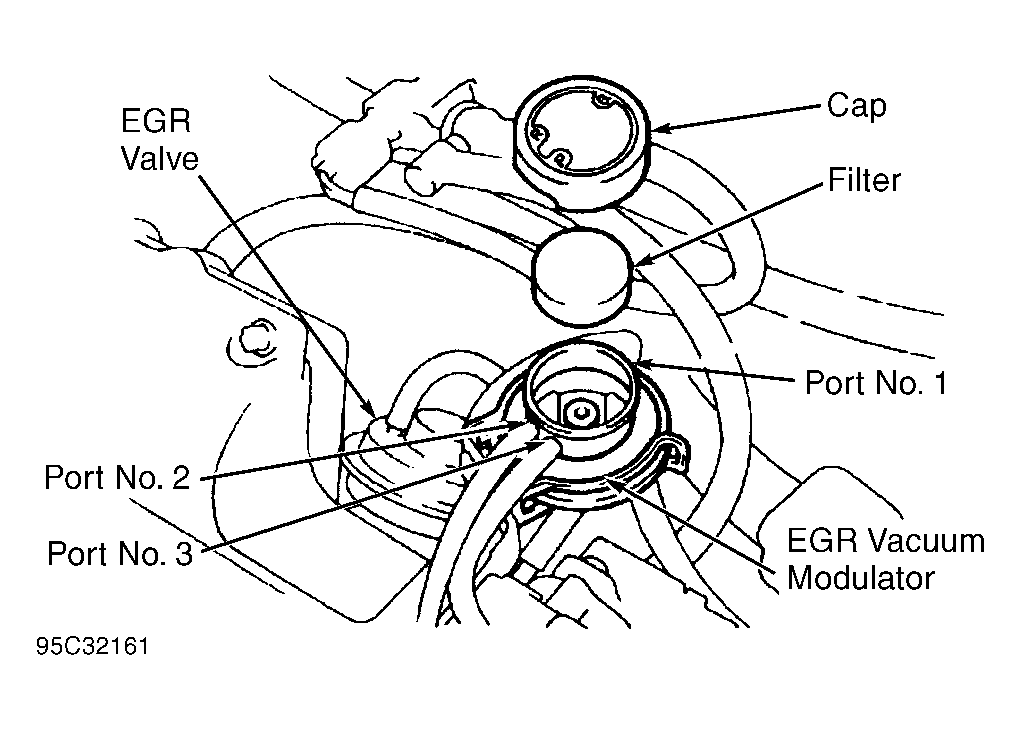
- With engine cool, remove EGR vacuum modulator cap and filter. Check filter for contamination or damage. Using compressed air, clean filter or replace filter if damaged. Install filter with coarser side facing outward and cap. See Fig 1
.
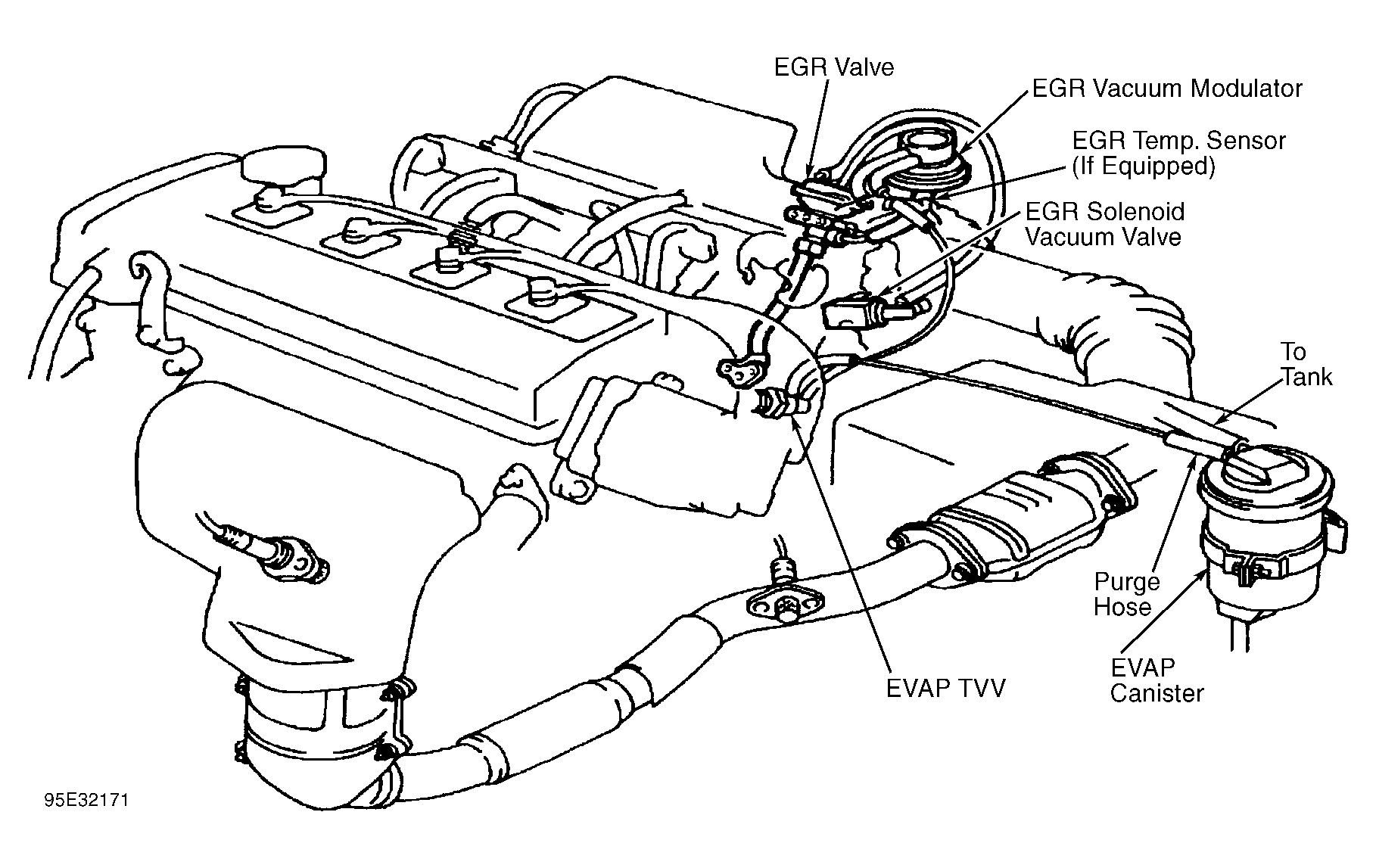
- Using a tee connector, connect a vacuum gauge between EGR valve and EGR vacuum modulator. See Fig 2
. Start engine and check EGR valve seating by making sure that engine idles normally. If idle is okay, go to next step. If idle is rough and no other problems exist, replace EGR valve.
- Connect a jumper wire between Data Link Connector (DLC) terminals E1 and TE1. With engine coolant temperature less than 117°F (47°C), accelerate engine to 2500 RPM and check vacuum gauge. If vacuum gauge indicates zero vacuum, go to next step. If vacuum is present, go to EGR SOLENOID VACUUM (EGR SV) VALVE CHECK
under EXHAUST GAS RECIRCULATION.
- Run engine until engine coolant temperature is greater than 127°F (53°C). Accelerate engine to 2500 RPM and check vacuum gauge. If vacuum gauge indicates low vacuum, go to next step. If vacuum gauge indicates zero vacuum or high vacuum, go to EGR SOLENOID VACUUM (EGR SV) VALVE CHECK
and EGR VACUUM MODULATOR CHECK
under EXHAUST GAS RECIRCULATION.
- Remove vacuum gauge. Using a vacuum pump, apply vacuum to EGR valve. Engine should run rough or even stall. If engine runs and idles fine with vacuum applied, replace EGR valve. Ensure vacuum hoses are correctly installed and remove DLC jumper wire.
 Courtesy of GENERAL MOTORS CORP.
 Courtesy of GENERAL MOTORS CORP.